
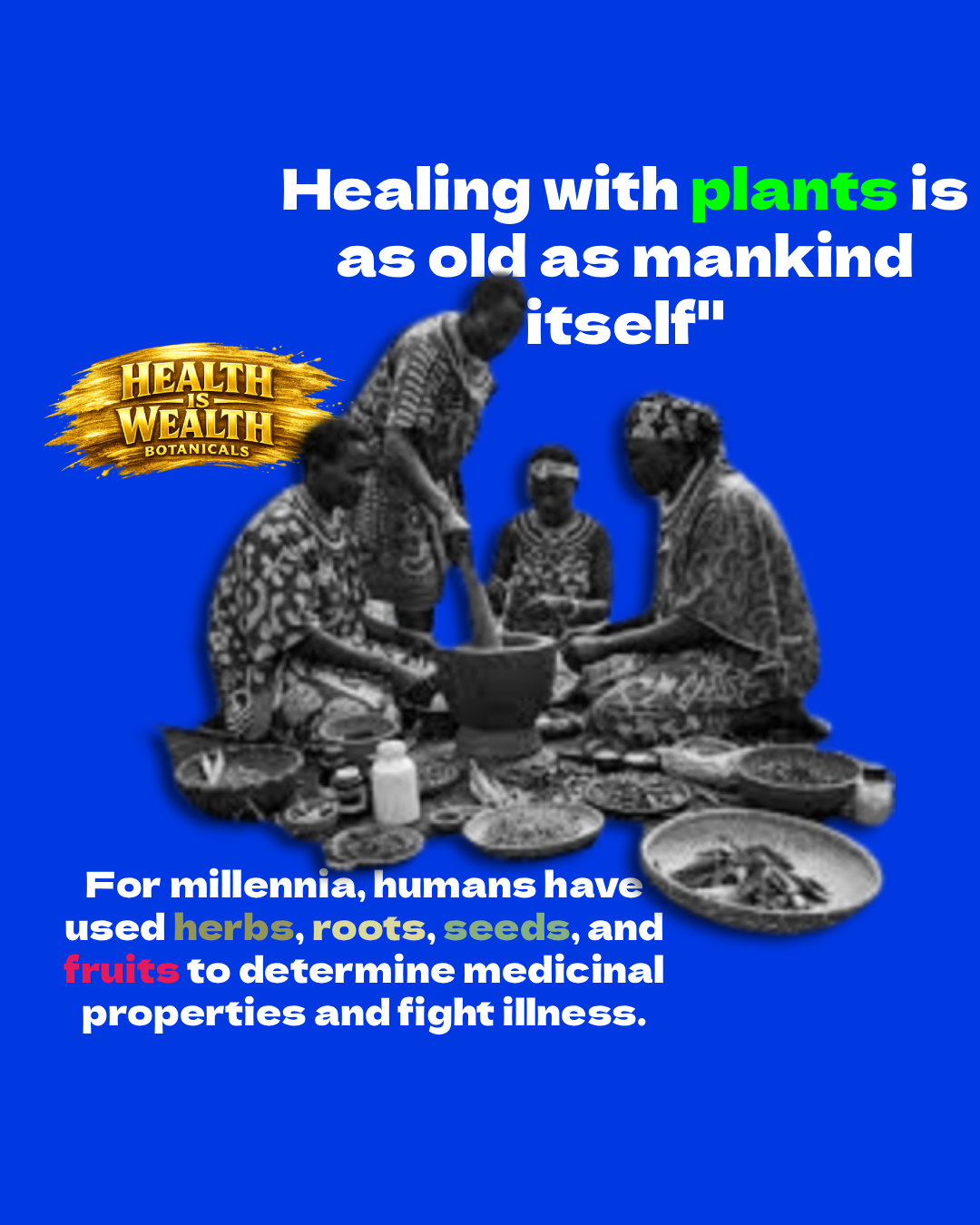
“Healing with plants is as old as mankind itself.”
For thousands of years, humans have looked to nature for relief from pain and illness. This ancestral awareness of fighting against disease through botanical remedies isn’t just historical folklore—it’s the foundation of modern medicine and a return to wellness that our bodies instinctively recognize.
Archaeological Evidence of Ancient Healing
The use of medicinal plants dates back to the Paleolithic era, approximately 60,000 years ago, with archaeological evidence found at burial sites like Shanidar IV in northern Iraq, where large amounts of pollen from medicinal plant species were discovered. Even more remarkably, the 5,300-year-old mummy known as Ötzi the Iceman was found with medicinal herbs in his personal effects, which appear to have been used to treat intestinal parasites.
Written records of herbal medicine extend back over 5,000 years. The ancient Sumerians of Mesopotamia created clay tablets listing hundreds of medicinal plants, including myrrh and opium. The Egyptian Ebers Papyrus, dating to around 1,500 BCE, documented over 850 plant medicines, including garlic, juniper, cannabis, aloe, and mandrake. Ancient Chinese emperor Chi’en Nung’s foundational text, the Pen Ts’ao Ching, lists over 365 herbs and records traditional practices potentially dating back to 2,700 BCE.
From Ancient Roots to Modern Remedies
Our ancestors utilized herbs, roots, seeds, and the fruit of plant bodies to determine medicinal properties long before laboratories and clinical trials. Through careful observation and generations of passed-down knowledge, they discovered what science is only now beginning to fully validate: that plants contain powerful compounds capable of supporting health and treating various conditions.
The Greek physician Pedanius Dioscorides wrote De Materia Medica around 60 CE, describing over 600 plants and 1,000 medicines. This five-volume work remained the standard medical text for over 1,600 years, demonstrating how deeply these ancient observations resonated across civilizations. Similarly, ancient Indian Ayurvedic texts dating from around 400 BCE mention over 300 herbs, many of which, like ashwagandha, turmeric, and tulsi, are still widely used in contemporary herbal practice.
What’s wild is that these healing traditions developed independently across different continents, yet arrived at similar conclusions about which plant families held medicinal value. A 2014 study found that traditional healers in three separate world regions used the same groups of plants to treat the same types of conditions, revealing a “strong phylogenetic signal” that suggests these plant groups genuinely possess therapeutic properties.
The Bridge Between Ancient Wisdom and Modern Medicine
Plants remain an essential source of human medicine. The connection between traditional herbal knowledge and modern pharmaceuticals is stronger than many realize. According to research, up to 50% of approved drugs during the last 30 years are derived either directly or indirectly from natural products. In the area of cancer treatment specifically, 85 of 175 small-molecule drugs approved from the 1940s to present are either natural products or directly derived from them.
Consider these examples:
- Aspirin, one of the world’s most widely used medications, was modeled after salicylic acid found in white willow bark (Salix alba)—a plant traditionally used for pain and inflammation
- Morphine and codeine were extracted from the opium poppy (Papaver somniferum) and remain essential pain management drugs today
- Digitoxin, extracted from foxglove (Digitalis lanata), revolutionized the treatment of heart conditions
- Quinine, derived from the bark of the cinchona tree, played a crucial role in fighting malaria
- Paclitaxel (Taxol), originally from Pacific yew bark, is now a vital chemotherapy agent for lung, ovarian, and breast cancer
- Artemisinin, extracted from sweet wormwood (Artemisia annua) by Nobel Prize winner Tu Youyou in 1972, combats multidrug-resistant malaria
The pharmaceutical industry has its roots in 19th-century European apothecary shops where pharmacists provided traditional plant-based medicines. Even today, approximately 40% of prescription drugs in the Western world are derived from plants that people have used for centuries.
The Global Crisis That Brought Herbs Back
During the COVID-19 pandemic, the modern world faced medical and pharmaceutical shortages that became a global crisis. In this context, countries with strong herbal medicine traditions saw renewed interest in botanical remedies. China’s National Health Commission declared the use of herbal medicine combined with Western medicine as an official treatment protocol for COVID-19.
Multiple systematic reviews and meta-analyses published in medical journals found that herbal medicines, when used as adjunct therapy alongside standard care, showed potential benefits. Research published in Frontiers in Pharmacology (2022) and the Journal of Clinical Medicine (2020) demonstrated that patients receiving combined herbal and Western medicine treatments showed improvements in symptom scores, inflammatory markers, and lung CT scans compared to Western medicine alone.
A 2023 cross-sectional study found that 54% of participants, including healthcare workers, preferred herbal treatments during the pandemic period. The most commonly used herbs globally were ginger, honey, and garlic—plants with documented anti-inflammatory and immune-supporting properties.
Importantly, research emphasized that herbal treatment isn’t merely an alternative to Western medicine—it can be safely combined with conventional approaches for comprehensive wellness. During health crises, this integration becomes especially valuable, offering additional therapeutic options when pharmaceutical supplies are limited or slow to arrive.
Why Plant Medicine Still Matters
Since time immemorial, people have looked for cures to reduce pain through medicinal plants. This journey toward botanical healing continues for compelling reasons:
Physical, mental, emotional, and spiritual health are all supported through medicinal plants. Unlike synthetic drugs that often target a single symptom, many herbs offer holistic benefits that address multiple aspects of well-being simultaneously. Traditional healing systems like Ayurveda and Traditional Chinese Medicine have long recognized this interconnected approach to health.
Plant-based remedies work with your body, not against it. Many pharmaceutical drugs are synthetic analogues of plant secondary metabolites—the chemical compounds plants produce for their own protection and survival against environmental stressors. When we use whole plant medicines, we benefit from the full spectrum of these natural compounds working in harmony, often with complementary effects that enhance therapeutic benefits while minimizing side effects.
Plants evolved alongside us. For millions of years, plants have developed sophisticated chemical defenses and signaling systems. Herbalists believe that these phytochemicals, having evolved in response to similar environmental challenges that affect humans, can support our bodies’ natural healing processes. Even animals instinctively seek out specific plants when ill, behavior observed by scientists and cited by indigenous healers as evidence of plants’ innate medicinal properties.
The Science Behind Traditional Knowledge
Modern research continues to validate traditional uses of medicinal plants. A comprehensive 2001 study found that 80% of 122 plant-derived drugs were directly related to their original ethnopharmacological purposes—meaning traditional healers knew what they were doing all along.
Today, the World Health Organization (WHO) estimates that 80% of the population in some Asian and African countries uses herbal medicine for primary healthcare. Far from being a fringe practice, plant medicine remains the dominant form of healthcare for billions of people worldwide. The global market for medicinal and aromatic plants reached approximately $68 billion per year as of 2023, growing by 10-20% annually.
The Medicinal Plant Transcriptomics Database, established in 2011, now systematically catalogues the genetic and chemical profiles of medicinal plant species, providing a scientific foundation for understanding how and why these plants work. This modern technology is being harnessed to bring plant-derived medicines under the same rigorous quality control and standardization protocols as synthetic pharmaceuticals.
Reclaiming Ancient Healing Wisdom
The knowledge that healing plants hold isn’t lost—it’s being rediscovered, validated, and integrated into evidence-based medicine. Modern research continues to confirm what traditional healers have known for millennia: that nature provides powerful medicine when we know how to use it.
However, it’s crucial to approach herbal medicine with both respect and caution. While plants offer remarkable therapeutic potential, they are not without risks. Natural does not automatically mean safe—powerful compounds like atropine and nicotine demonstrate that plant medicines require the same careful consideration as any pharmaceutical. Proper identification, preparation, dosing, and awareness of contraindications are essential.
Whether you’re seeking relief from everyday ailments, looking to support your immune system, or simply wanting to reconnect with natural wellness practices, herbal medicine offers a time-tested path forward. The wisdom accumulated over thousands of years, now increasingly supported by scientific research, provides a bridge between ancient healing traditions and modern integrative healthcare.
References & Further Reading
- World Health Organization. (2022). Global Report on Traditional and Complementary Medicine.
- Newman, D.J., & Cragg, G.M. (2012). Natural products as sources of new drugs over the 30 years. Journal of Natural Products, 75(3), 311-335.
- Fabricant, D.S., & Farnsworth, N.R. (2001). The value of plants used in traditional medicine for drug discovery. Environmental Health Perspectives, 109(Suppl 1), 69-75.
- Lim, X.Y., et al. (2023). Herbal Medicine and COVID-19: Characteristics and Methodological Quality of Published Reviews. Natural Product Communications.
- Fan, A.Y., et al. (2020). Chinese herbal medicine for COVID-19: Current evidence with systematic review and meta-analysis. Phytomedicine, 69, 153202.
- Petrovska, B.B. (2012). Historical review of medicinal plants’ usage. Pharmacognosy Reviews, 6(11), 1-5.
Ready to explore the healing power of plants? Browse our collection of ethically sourced dried herbs, botanicals, and herbal teas at Health is Wealth Herbs & Botanicals. Each product carries forward thousands of years of healing tradition, now supported by modern understanding.
Disclaimer: This article is for educational purposes only. The information presented is based on historical use and scientific research, but is not intended to replace professional medical advice, diagnosis, or treatment. Herbal remedies may interact with medications and may not be appropriate for everyone. Always consult with a qualified healthcare provider before using herbal products, especially if you are pregnant, nursing, taking medications, or have a medical condition. Never stop or delay prescribed medical treatment in favor of herbal remedies.
Latest Products
-

-

-

-

Royal Mint Tea | Peppermint, Spearmint, and Pennyroyal
Price range: $14.00 through $18.00 -

-

-

-
